Dividend Portfolio Strategy: Building Reliable Income Streams in 2025
The idea of living off dividends has always carried a certain appeal. Imagine your investments quietly working in the background, paying you regularly without you having to sell assets. In 2025, this dream feels more accessible than ever thanks to smarter tools, global ETFs, and increased transparency in financial markets. Still, a successful dividend portfolio strategy requires more than simply picking high-yield stocks. It’s about balance, sustainability, and long-term vision.
Why Dividends Matter
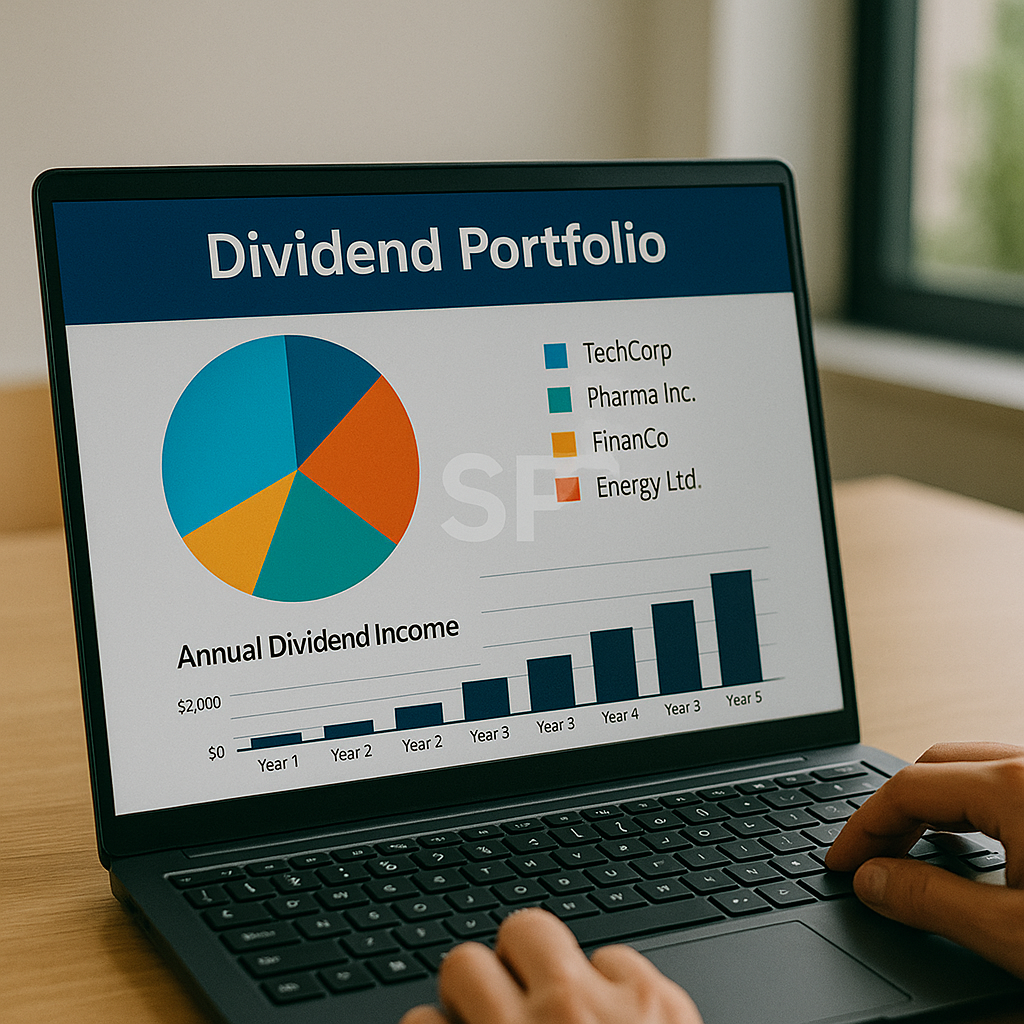
Dividends represent stability. While stock prices fluctuate daily, consistent dividend payments provide a sense of reliability. For retirees, they act as a paycheck replacement. For younger investors, reinvested dividends accelerate compounding. A good dividend portfolio strategy treats payouts not just as income but as fuel for growth.
Choosing the Right Sectors
One common mistake is chasing only the highest yields. Often, those yields come from distressed companies with unsustainable payouts. Instead, focus on sectors with steady cash flow: utilities, consumer staples, healthcare, and certain financials. These industries may not be flashy, but they’ve proven resilient during downturns.
The Role of ETFs
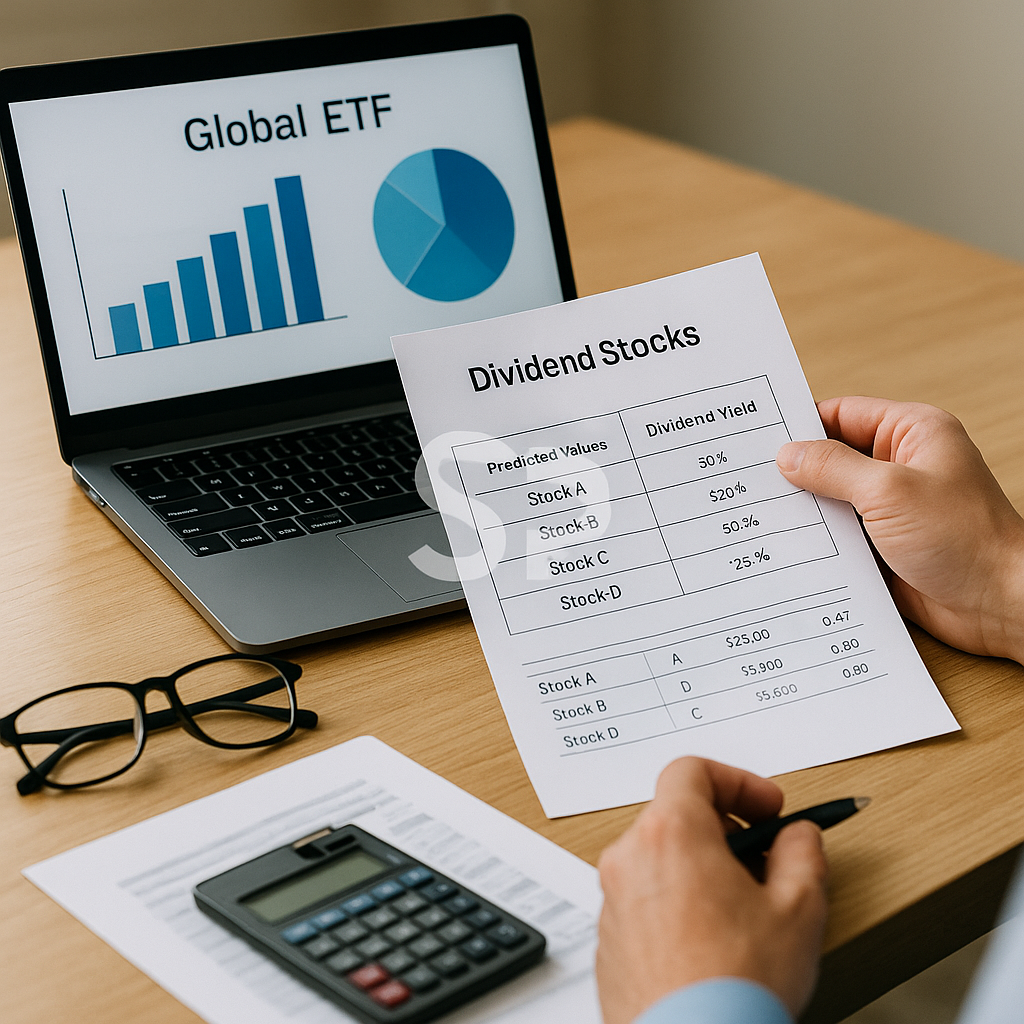
Building a diversified dividend portfolio can be daunting for individuals. That’s where dividend-focused ETFs come in. They pool dozens of companies, spreading risk and simplifying management. In fact, many investors now anchor their dividend portfolio strategy with a global ETF, then add a few individual stocks for customization.
Global Diversification
Another powerful move is to look beyond your home country. Dividends in emerging markets can be higher, while developed markets offer stability. By blending both, you protect yourself from local recessions. A European utility stock, a U.S. consumer giant, and an Asian telecom company together create a balanced mix.
Real-Life Examples
A friend of mine built his portfolio around a core U.S. dividend ETF and supplemented it with Canadian banks and Singapore REITs. Over five years, his yield averaged 4.5%, but the bigger win was consistency—payouts came like clockwork, even during market turbulence. Another investor I know fell into the trap of chasing double-digit yields, only to see two companies cut dividends within a year. That experience reinforced the golden rule: sustainability beats short-term excitement.
Risks to Consider
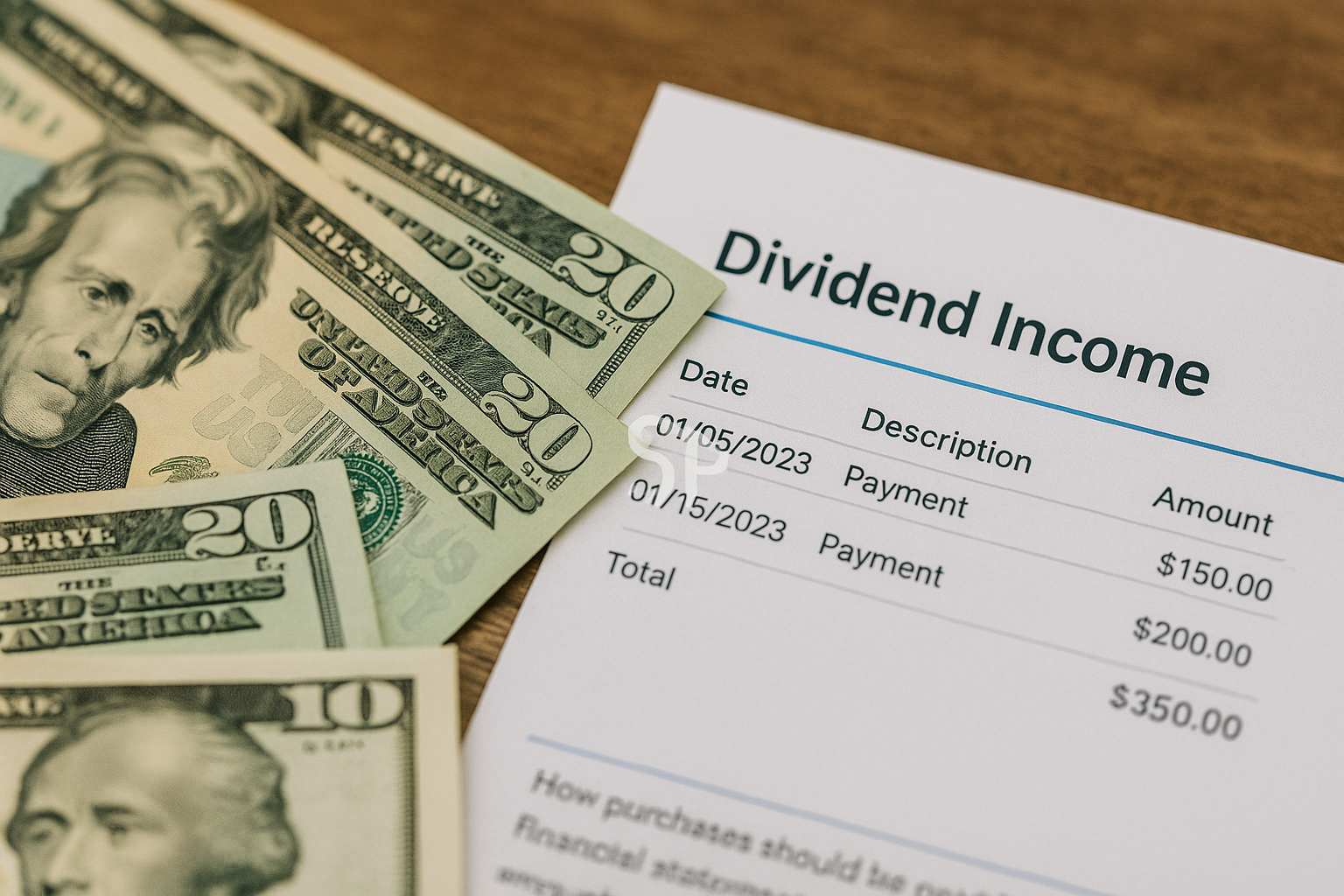
No strategy is foolproof. Dividend cuts do happen, and inflation can erode real income. That’s why it’s essential to reinvest at least part of your dividends, especially in the early years, and maintain a watch list to replace underperformers.
Closing Thoughts
At its best, a dividend portfolio strategy offers peace of mind. It’s not about beating the market every quarter but about building a system that supports your lifestyle for decades. The key is patience: consistent contributions, reinvestment, and diversification. Over time, those regular payouts become more than numbers on a statement—they become the foundation of financial independence. 🌍💵
The first dividend payment I ever received was less than the price of a cup of coffee, but I still remember how excited I felt. That tiny deposit was proof that my money could generate income on its own. Over time, I’ve learned that a strong dividend portfolio strategy is not built overnight—it’s the result of steady planning, careful adjustments, and patience.
One lesson that stands out is the importance of reinvestment. In my early days, I used dividends as spending money. Later, I realized how powerful reinvestment could be. By directing payouts back into the same ETF or stock, my holdings grew faster than expected. A colleague shared that after five years of reinvesting, his portfolio generated 40% more annual income compared to withdrawing cash. That’s the compounding effect in action.
Another insight is that diversification doesn’t just reduce risk—it also makes you sleep better. I once held a heavy position in a single telecom stock known for high yields. When the company cut its dividend, my monthly income dropped dramatically. Now, I spread my investments across sectors and countries. This way, even if one company falters, the overall stream remains stable.
Technology has also reshaped the way I manage dividends. Portfolio tracking apps now alert me before ex-dividend dates, calculate my expected cash flow for the month, and even suggest reinvestment opportunities. These tools make the dividend portfolio strategy more approachable for newcomers who might otherwise feel overwhelmed.
Of course, there are challenges. Inflation can quietly reduce the real value of dividends, and taxation rules differ across countries. I’ve learned to set aside a portion of payouts for taxes and to consider growth-oriented dividend stocks that increase payments over time. That balance between current income and future growth is key to keeping the strategy sustainable.
I’ve also noticed how mindset plays a role. Some investors chase double-digit yields, but I’ve found peace of mind in aiming for consistency rather than excitement. A steady 3–5% yield across diversified assets has proven far more reliable than risking everything for flashy numbers. It may not sound thrilling, but watching those payments arrive quarter after quarter is deeply satisfying.
🌱 To wrap up, think of a dividend portfolio strategy as planting a garden. The seeds take time to grow, and not every season will be perfect, but with care and patience, the harvest becomes dependable. If you treat dividends as part of a long journey rather than a quick win, you’ll discover that the real reward isn’t just financial—it’s the sense of security that comes with having your money work quietly in the background.